
Campus & Community Engagement
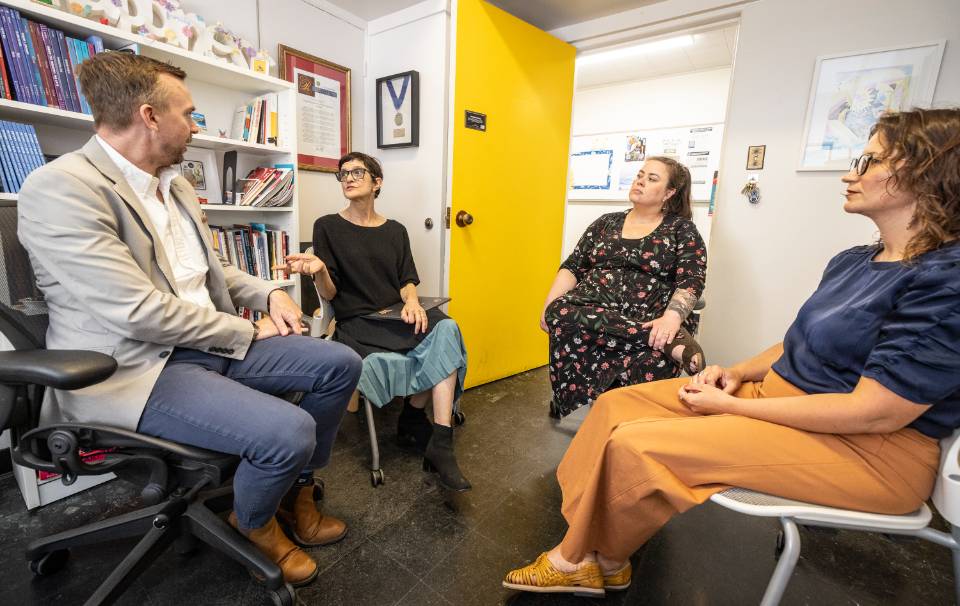
HEP programs are optimized through engagement with campus and community partners (much like the experience of students on campus). Within the university, we recommend building relationships across departments, programs, and leadership to support academic quality, student experience, and program growth. Additionally, partnerships with community organizations and public leaders can help expand resources, increase visibility, and provide students with a more dynamic experience.
University support
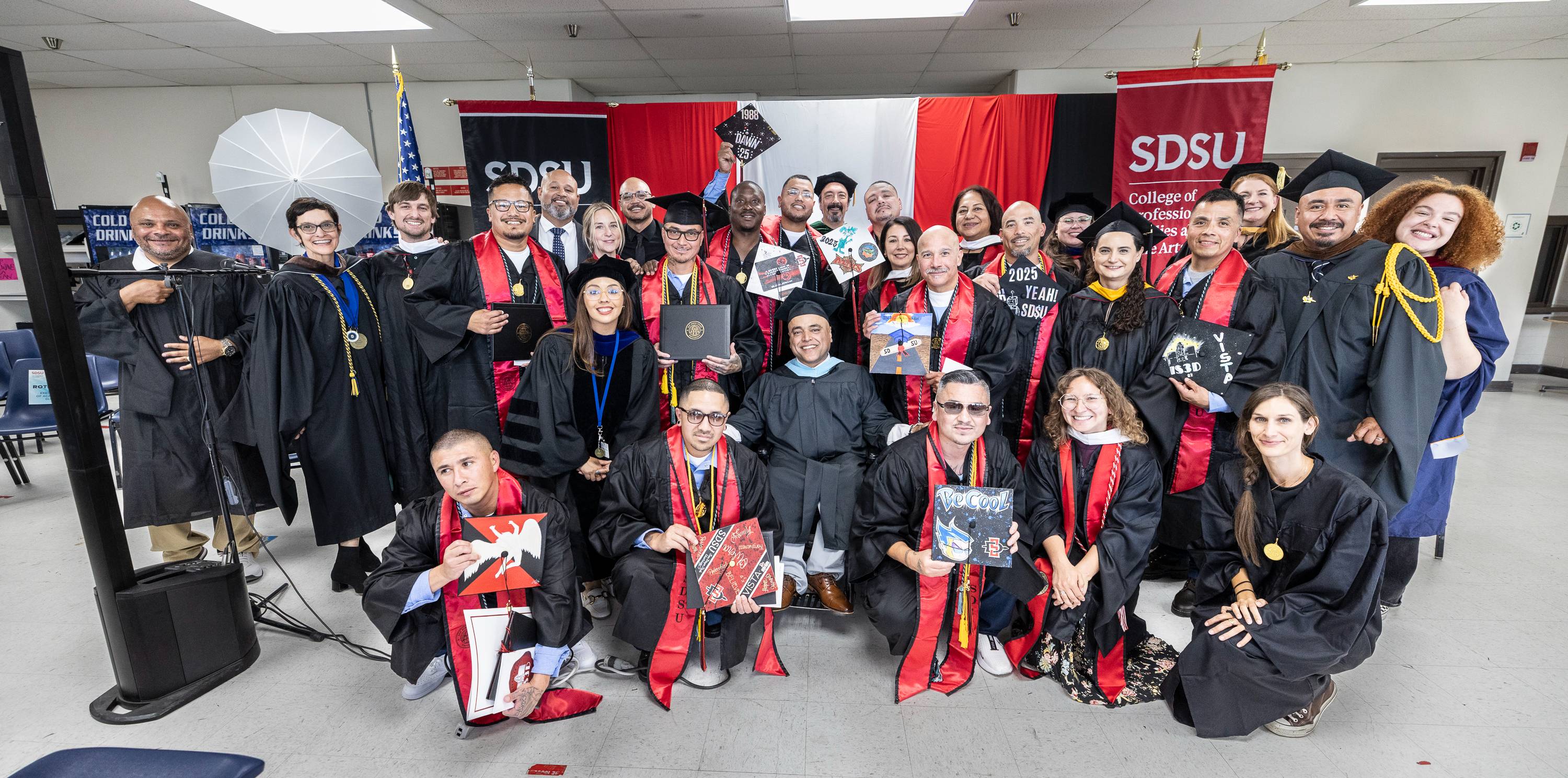
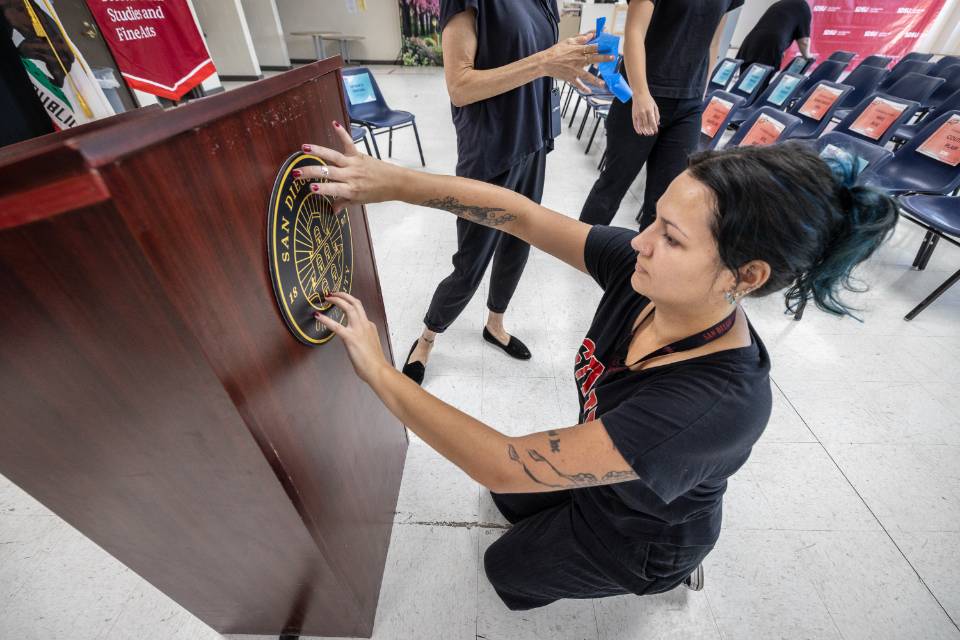
University support is most visible in moments of recognition and celebration. Graduations highlight the many individuals and departments who contribute behind the scenes, from administrative staff to campus leadership. These moments not only celebrate student achievement, but also reflect the collective effort and institutional investment required to sustain higher education in prison programs.
Interdisciplinary support
HEP programs benefit from interdisciplinary support across the university. Drawing on multiple fields has allowed the program to create more dynamic, responsive, and comprehensive learning experiences for students. Building interdisciplinary support has involved cultivating relationships across departments and identifying shared goals, strengthening both the academic rigor of the program and the overall student experience.
For example, in the SDSU VISTA program, faculty and students from criminal justice have supported the program, providing additional context for understanding systems, policy, and lived experience, while also creating opportunities for dialogue and engagement across disciplines. This approach is aligned with holistic learning, supporting both academic development and personal growth.
Cross-campus collaboration
Discipline-specific programs, such as criminal justice, can offer additional context and opportunities for collaboration. In the VISTA program, faculty and students from criminal justice have contributed to classroom dialogue, shared perspectives on systems and policy, and helped create connections between students inside and outside of prison.
VISTA has engaged with programs such as Project Rebound, the Division of Research and Innovation and other academic departments. Programs such as Project Rebound can provide important connections to reentry support, mentorship, and a broader community of formerly incarcerated students and alumni. The Division of Research and Innovation can offer pathways for faculty and students to engage in research, apply for funding, or connect HEP work to larger institutional priorities.
These connections reinforce that HEP students are part of the same academic community, not a separate one.
Local group support
Community-based organizations (CBOs) that provide programming within correctional facilities bring additional expertise, resources, and perspectives that can complement academic programming and support a more holistic student experience. Program teams should be aware of and, where appropriate, seek opportunities to collaborate with these groups in ways that align with student needs and program goals.
For example, in VISTA, partnerships with organizations such as the Prison Arts Collective have created opportunities to bring in artist facilitators as guest lecturers and to support student engagement through student workshops and co-curricular programming.
These collaborations enrich the learning environment, expand access to interdisciplinary experiences, and support students beyond the traditional classroom setting.
Engaging elected officials
HEP programs operate within local, state, and federal systems, including the correctional districts and university systems. Because higher education in prison takes place out of public view, elected officials may not be aware of the programs operating within their districts or the impact they have on students. Intentional engagement raises awareness, builds support, and connects HEP programs to policy and funding conversations.
This engagement is also important for students. On a traditional campus, students may have opportunities to interact with elected officials through events, forums, or advocacy efforts. In prisons, these opportunities are much more limited, and programs can play a role in creating access.
For example, the VISTA team has facilitated visits from local leaders, including hosting the district attorney for the county the prison is located in, and has participated in state-level hearings related to higher education.