
Strength-Based Assessment in Higher Education in Prison
What is strength-based assessment?
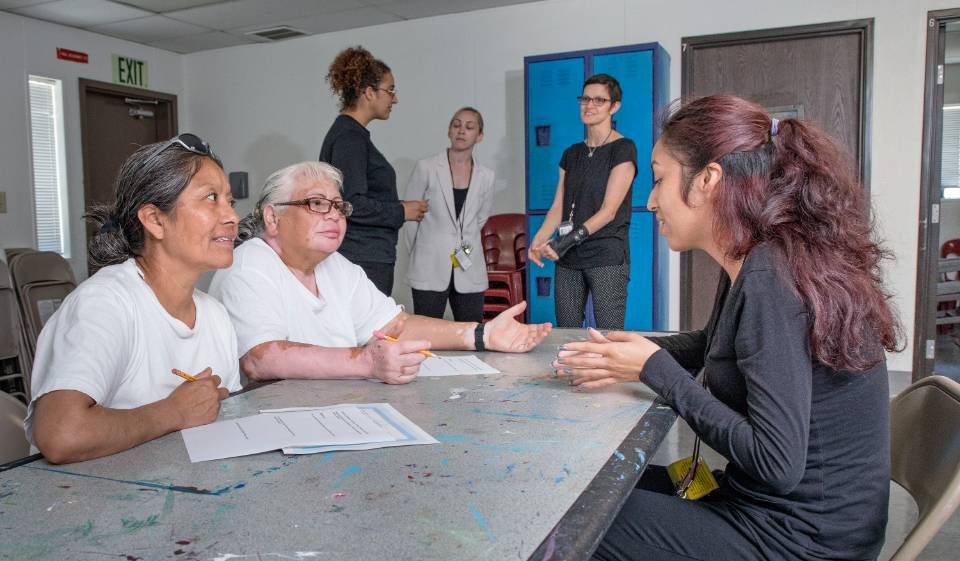
Strengths-based assessment identifies what students already bring to their learning while also recognizing barriers that may affect success. In a higher education in prison context, that means looking beyond risk, pathology, compliance, or prior harm to understand resilience, motivation, protective factors, relationships, hope, and other assets that can support learning and wellbeing.
This approach is especially important in prison education because students are often seen through institutional records and deficit-based systems. A strengths-based model creates a fuller picture of the student. It asks not only what support is needed, but also what is already strong, what is working, and what conditions will help the student thrive. Broadly defined, strengths-based assessment measures internal and external emotional and behavioral competencies that help a person develop relationships, manage stress, and promote healthy development. In educational settings, it is a shift away from assessment practices that focus only on symptoms, eligibility, or impairment. It aligns with a dual-factor view of mental health by recognizing that distress and wellbeing can exist at the same time.
What are the specific challenges and benefits of assessing students in prison?
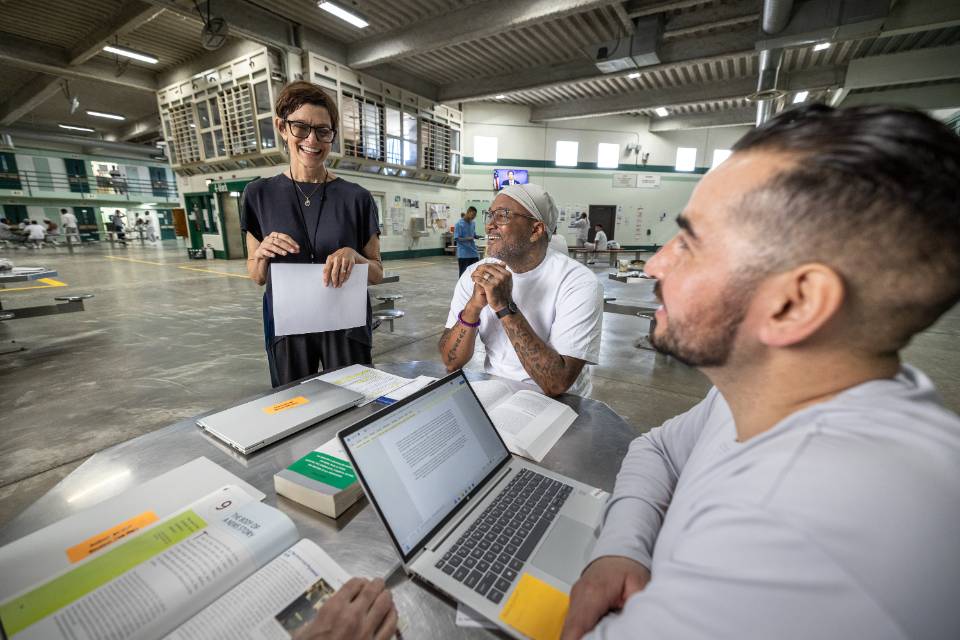
Assessing students in prison requires special care because carceral settings shape trust, disclosure, interpretation, and access. Students may have long histories of under-identification, interrupted schooling, trauma exposure, stigma, or prior assessment experiences that felt punitive rather than supportive. In addition, any formal tool or evaluation process must be reviewed and cleared within the prison-university partnership before implementation. The setting can also make it harder to separate educational need from institutional context. Stress, surveillance, limited privacy, restricted technology, and uneven access to prior records may affect how students respond to questions or perform in formal assessments. For that reason, assessment should be collaborative, clearly explained, and grounded in student dignity and choice whenever possible.
Strengths-based assessment identifies what students already bring to their learning, including resilience, motivation, relationships, protective factors, and personal strengths, while also recognizing barriers that may affect success. Instead of asking only what is wrong or missing, this approach asks what is strong, what is working, and what support will help a student thrive. In higher education in prison, this approach matters because students are often viewed through systems that emphasize risk, pathology, compliance, or past harm. A strengths-based model creates a fuller picture of the student by pairing challenges with assets and by treating assessment as a tool for support rather than judgment.
At the same time, strengths-focused assessment has significant benefits in prison higher education settings. Thoughtful assessment can help identify unmet learning needs, support accommodations, reveal patterns of resilience, guide teaching strategies, and strengthen educational wellness planning. It also helps programs understand whether students are experiencing barriers related to trauma, learning differences, neurodivergence, or classroom design. When assessment is strengths-based, it becomes more than a gatekeeping process. It can help educators identify what should be supported, what should be expanded, and what program conditions are helping students succeed. That makes assessment useful not only for individual student support, but also for ongoing program improvement.
Strength-based Assessment
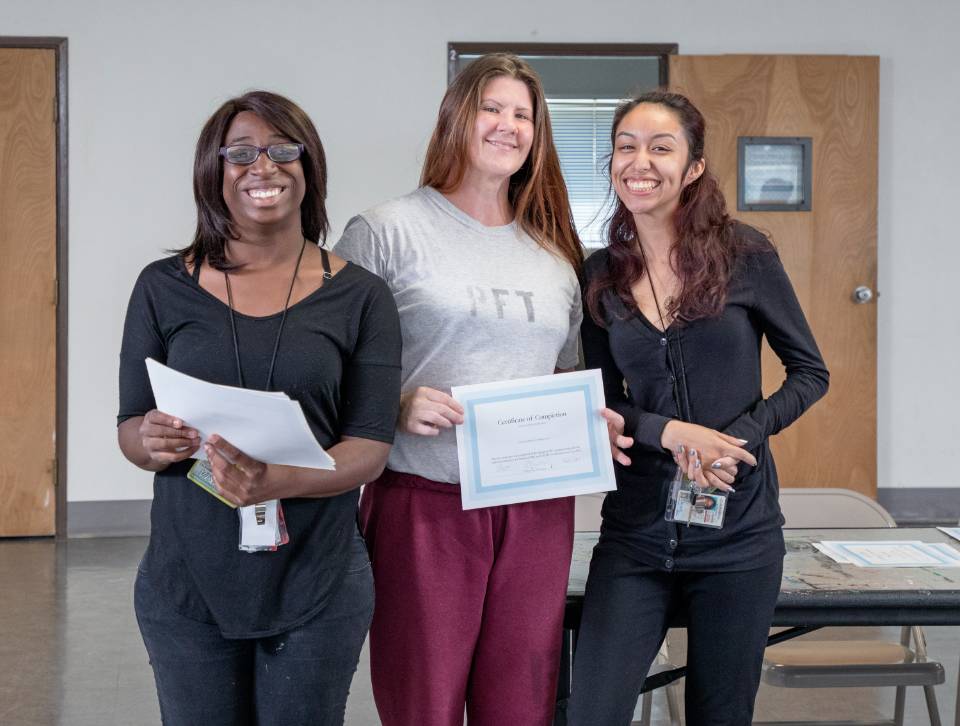
For SDSU VISTA, strengths-based assessment fits the project vision of facilitating formal and informal assessment processes that are well-being-focused, student-centered, and responsive to prison learning environments. It aligns with the project aims, emphasizing academic resilience, character strengths, emotional intelligence, hope, protective factors, covitality, learning styles, vocational interests, and identity-based reflections.
Examples and student testimonials
“These men and women [SDSU VISTA faculty and staff] inspired me and reminded me of my humanity. I liked how they were able to facilitate my desire to use my education, to grow in my recovery and healing. I liked how they made that room into a University.”
In practice, strengths-based assessment can include structured reflection on academic resilience, emotional intelligence, hope, character strengths, covitality, learning preferences, vocational interests, protective factors, and the relationship between past experiences and current educational goals. These practices help students name both their barriers and their assets, while giving educators information that can inform accommodations, supports, and instructional design.
“While incarcerated, VISTA gave me confidence, purpose, a sense of identity, and belief in myself in a place that can so often strip people of those things. It reminded me that my circumstances did not have to define who I was or what I could become. VISTA inspired me to continue my education and pursue my Master of Public Health. Maybe most meaningful of all, it helped me reconnect with my family and motivated my little brother to apply to college, which makes me so proud.”
Student feedback from the project points to emotional and personal growth as a key outcome of these reflection and assessment activities. Students described deeper introspection, healing, and renewed purpose.
“The education we’re getting in this program allows us to see the world with a new perspective. It has allowed us to change and change the lives of our loved ones. In this way, we are the embodiment of the transformative power of education. The program is important because it makes us want to aspire to be a better version of ourselves.”
“The education we’re getting in this program allows us to see the world with a new perspective. It has allowed us to change and change the lives of our loved ones. The program is important because it makes us want to aspire to be a better version of ourselves.”
Their own words capture that impact: 'Marvel in the moment.' 'Love corrodes bars.' 'This gave me much hope to be a better person.' These responses show that assessment can surface meaning, hope, and educational possibility, not only need.
“Through our strengths-focused assessment lens we are helping to identify [student’s] patterns of resiliency to really uncover their sense of hope and sense of purpose. Through this, we're also creating connectedness and helping them identify other psychosocial assets that have proven through literature to be integral in promoting academic success. And from our lens, we use a healing-centered engagement framework, which is really important because it helps us shift the focus from what's wrong or what's happened to you to what's going well, what are you strong in? And these things all help us promote their educational growth.”
“We definitely want to come from an asset-based approach, not deficit-based. When you look at our students many of them come from generational trauma. The term assessment and the term test usually conjures up images of “what is wrong with me?” and “how can I be fixed?”. We were very conscientious about that as a team when approaching this. And …based on the student feedback it's more of an experience of self-discovery. It's more of a way for them to learn about themselves and not just how they can improve as a student, but also holistically as a person. One specific assessment that really stands out to me is the BECK assessment, where students learn about what type of learner they are, visual, audio, and kinesthetic. And it's one of the assessment tools and instruments that we have utilized in better understanding, not only our students, but our students' understanding of themselves.”