
Logistics & Day-to-Day
Procedures (memos, clearances, planning ahead)
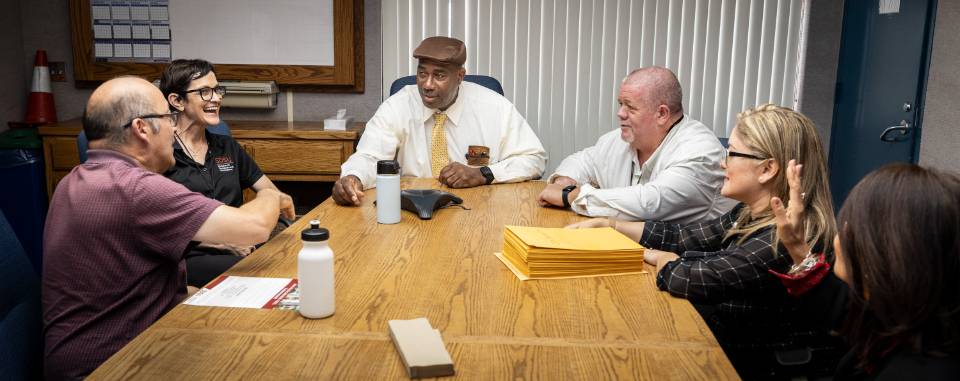
Clear procedures and advance planning are essential to the success of higher education in prison programs. Unlike a traditional campus, where many logistics can be handled informally or in real time, work inside prisons requires advance notice, formal communication, and documented approval.
Clearances
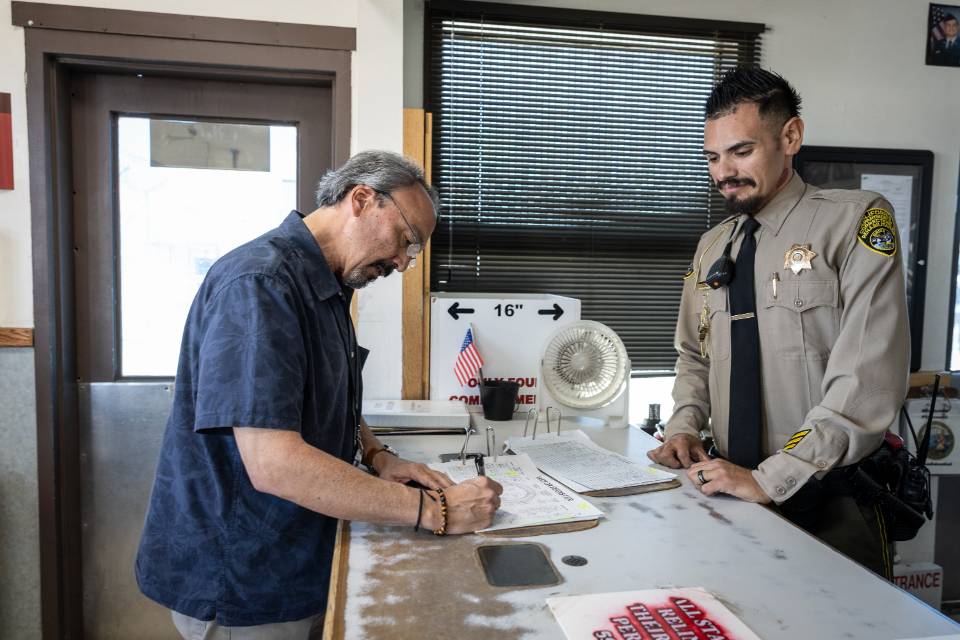
Clearances are a critical part of this process. Faculty, staff, and visitors typically need to be approved in advance to enter the facility, and additional clearances may be required for bringing in materials, equipment, or technology. These processes can take time and may vary depending on the institution. Clearance requirements may also include background checks, fingerprinting, tuberculosis (TB) testing, and participation in facility-specific training or orientation. Because of this, programs need to plan ahead and prepare faculty, staff, and interns for what the process will involve. It is recommended that one person be the key contact to train staff on the clearance process and communicate with the prison.
Memos and Approvals
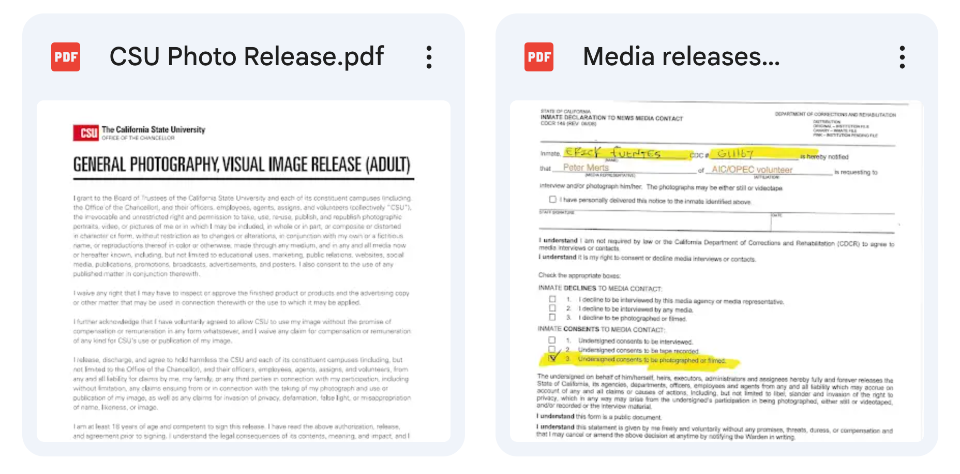
In most carceral environments, nothing happens without a memo. Program teams should plan ahead for all aspects of instruction, including classroom access, materials, guest speakers, and special events. This often involves submitting information and requests months in advance, in particular for special events. From there, once approved, the prison partner creates a memo or written requests, depending on the facility and type of request. In most cases, nearly all activities require some level of approval due to security protocols.
Planning Ahead
In practice, this means navigating university systems and processes, and learning the specific procedures, timelines, and communication preferences of the prison. Many facilities have established formats for how information should be submitted, such as memo templates. If a standard format is not provided, program teams may need to develop a consistent template that meets the needs of the facility, especially when multiple staff or faculty members are submitting requests. Over time, teams often develop internal systems for tracking requests, timelines, and approvals to help ensure consistency.
Classroom setup
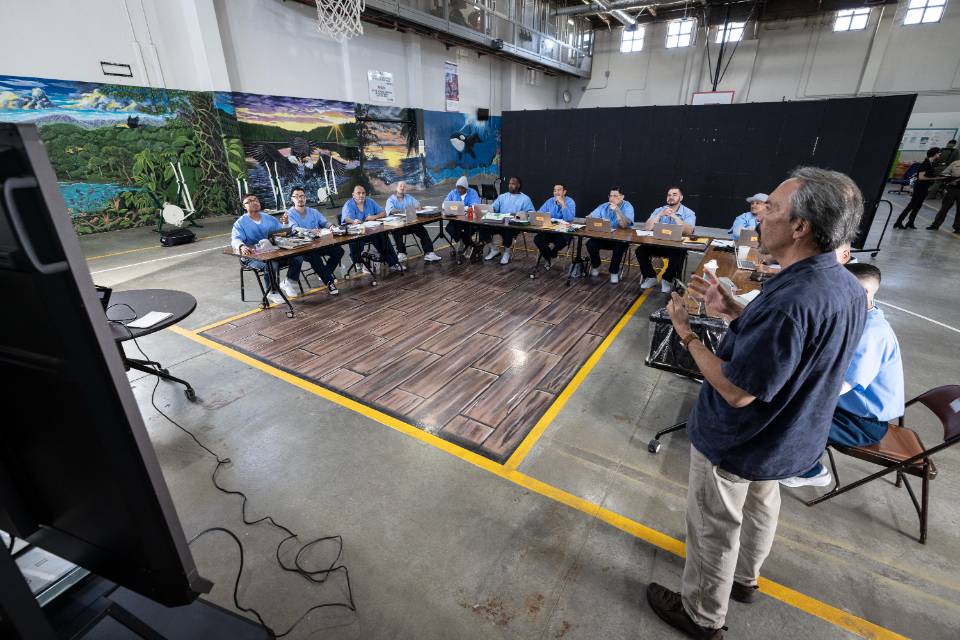
Classroom spaces in higher education in prison programs are often similar to those on a traditional campus, with desks, whiteboards, and space for group discussion. At the same time, the way these spaces are used and accessed can look different. Movement in and out of classrooms and education buildings are typically more structured, and class time may be shaped by facility schedules and procedures.
In some cases, programs are able to use dedicated education spaces. In others, space may be limited, shared, or adapted for instructional use. As programs grow, identifying consistent classroom space can be a challenge. For example, VISTA classes have been held in a gym space divided by a temporary wall to accommodate multiple courses. While this allowed the program to continue growing, the space had challenges like echoing acoustics and a lack of built-in classroom infrastructure, requiring faculty and students to adapt their approach to teaching and learning.
Because of this, program teams will often advocate for classroom setups that support learning and may work with corrections partners to improve the space over time. This can include identifying needed materials, requesting adjustments to layouts, or securing resources such as whiteboards, projectors, or other instructional tools through university support or external funding.
Schedules
Scheduling requires coordination across multiple systems and constraints. Unlike a traditional campus, where multiple classroom spaces and flexible scheduling across the day allow for a wide range of course times, scheduling in prison settings is shaped by space availability, facility operations, and security protocols. Because degree offerings are often limited, there may be less variation in courses, faculty may teach the same course multiple times across different cohorts or yards within the same day.
Schedules are shaped by several factors, including:
- Limited classroom space, which is often shared across programs
- Facility schedules which can take priority over educational programming
- Remote locations, which affect faculty travel time and availability
- Security procedures (i.e, count), which impact when and how classes can take place
Flexibility Reigns
Programs should plan for flexibility while also advocating for consistent and protected instructional time. Faculty should be prepared for adjustments to schedules, including changes due to facility needs or unexpected events. Lockdowns and other disruptions can affect class schedules with little notice, and programs must build in contingency plans to support continuity of learning when possible.
Classroom Space and Time
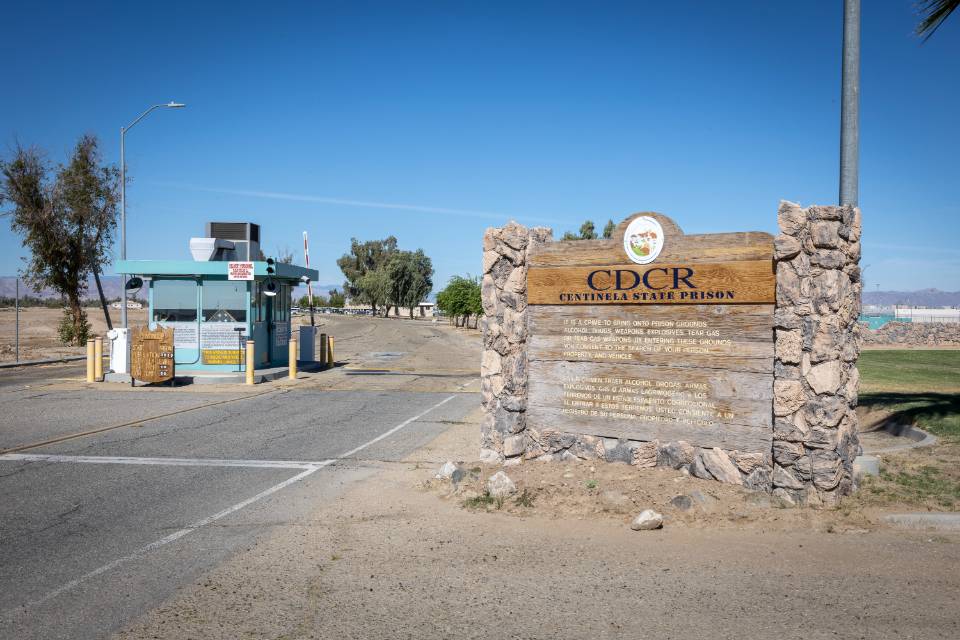
SDSU-VISTA takes place at Centinela State Prison. This is located about 1.5 hours away from the main campus on a windy road through the desert. At times, faculty are slowed by windstorms or tumbleweeds, large rig accidents or road closures. To drive this road in the dark at night can be challenging. For all of these reasons, VISTA aims to hold classes during the day. But in California, space in prisons is at a premium and classrooms are typically reserved during the daytime hours for GED courses. SDSU offers most classes from 4-7pm but, at times, classes are longer or faculty can't make the long drive that late in the day. Both the prison and the campus program have been flexible, including instances of offering a class in a culinary space or gym. These experiments are imperfect but show how collaboration and creativity can solve problems.