
Collaboration & Communication
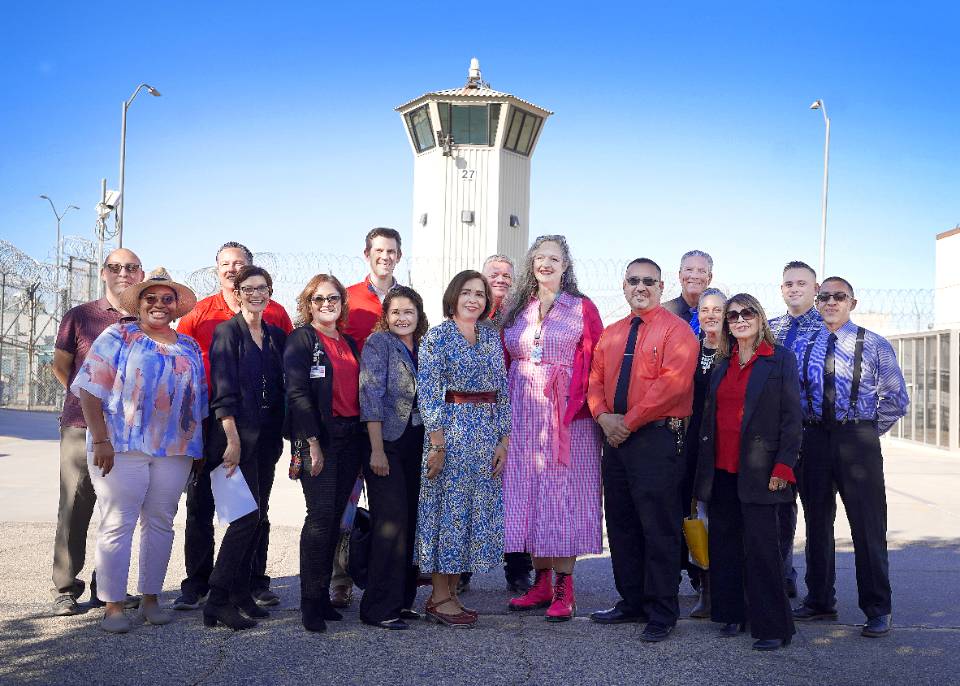
Sharing goals, from university and corrections
Throughout the implementation of the SDSU-VISTA program, collaborative problem solving has been essential for maintaining continuity of programming and facilitating the holistic and effective delivery of curriculum. Open lines of communication and shared understanding of organizational structures has allowed the VISTA and CDCR teams to address acute problems as well as ongoing concerns. VISTA team members, SDSU faculty and staff, and partners in CDCR must share a common set of goals in achieving HEP. These goals are routinely revisited when developing ideas, solving problems, and celebrating achievements. Relationship building is successful when each entity works toward these goals with an understanding of the various contrasts and contexts that impact operations.
What is the day-to-day practice of facilitating HEP?
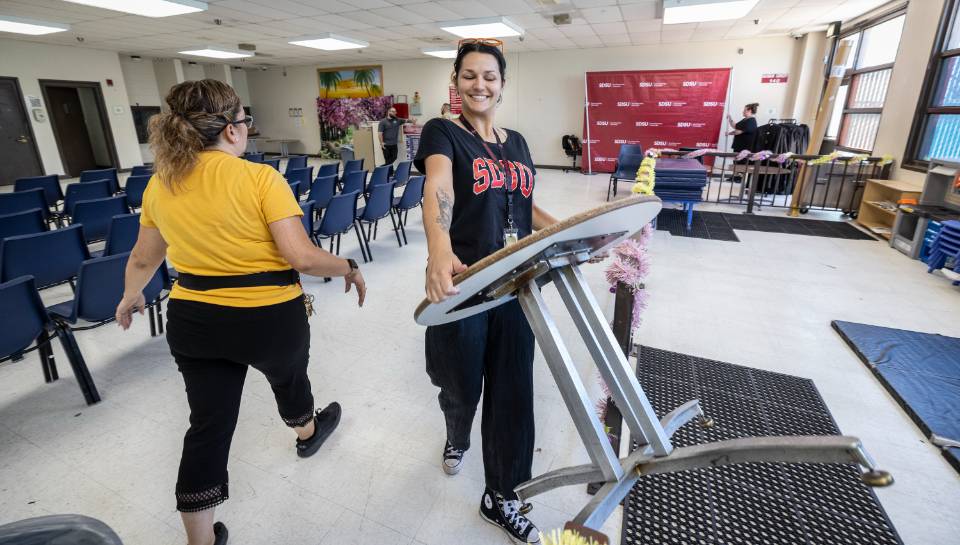
Thoughtful and strategic coordination of classroom and site logistics is essential to program design. In this context, logistics carry higher stakes. Missteps in scheduling, clearances, or communication can result in delays, disruptions, or even the cancellation of a class or course. Like a traditional campus, prison environments involve planning, communication, and approval. Factors such as scheduling, space availability, clearances, and institutional procedures shape how and when classes can take place. Program teams must work closely with correctional partners to plan ahead, adapt to changes, and ensure consistency wherever possible. This section outlines considerations for navigating these logistics. While processes will vary by facility and system, the goal is to support programs in creating learning environments that are organized, responsive, and conducive to student success.
Adaptive design
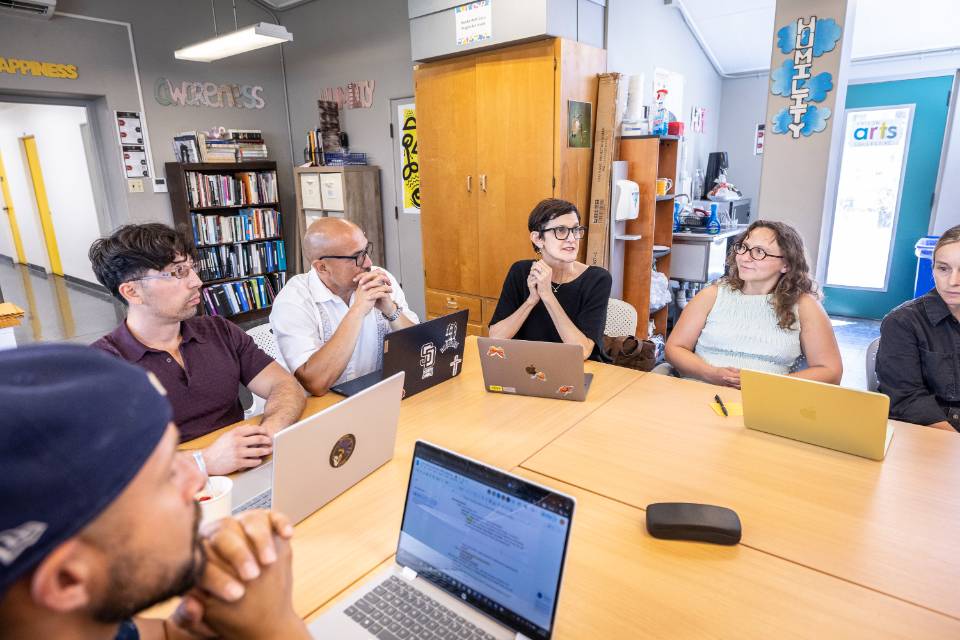
Accessibility and adaptive design are not only the responsibility of faculty in the classroom, but also of program teams designing and implementing higher education in prison programs. Prisons are structured environments, but they can also be unpredictable. Changes in schedules, access to space, technology, or movement can shift with little notice. Adaptive design means anticipating these realities and building systems that can respond to change. This includes developing flexible course structures, creating multiple ways for students to engage with content, planning for disruptions, and ensuring that communication and support systems are in place when access to space, materials, or students shifts.
How are courses scheduled for maximum learning and operational efficiency?

Two of the most important components of scheduling classes in prisons are space and time. In California, and most other states, space is limited in prisons, which limits when and where HEP classes can be offered. This very physical limitation is one impact on scheduling.
How do time and space impact course scheduling and faculty assignments?

For example, in California, the prison Education classrooms are occupied during the daytime hours with courses led by prison staff that lead to GEDs and other education outcomes. This vital component of prison education opens the doors for many students to higher education in prison. Because prison classrooms are well occupied from 8am to 4pm, HEP classes can take place later in the day. This timing is complicated by the fact that most prisons are far from universities. In addition to having the interest and training to teach in this unique setting, faculty must have transportation and be willing to travel long distances to teach, often until early evening.