
Populations
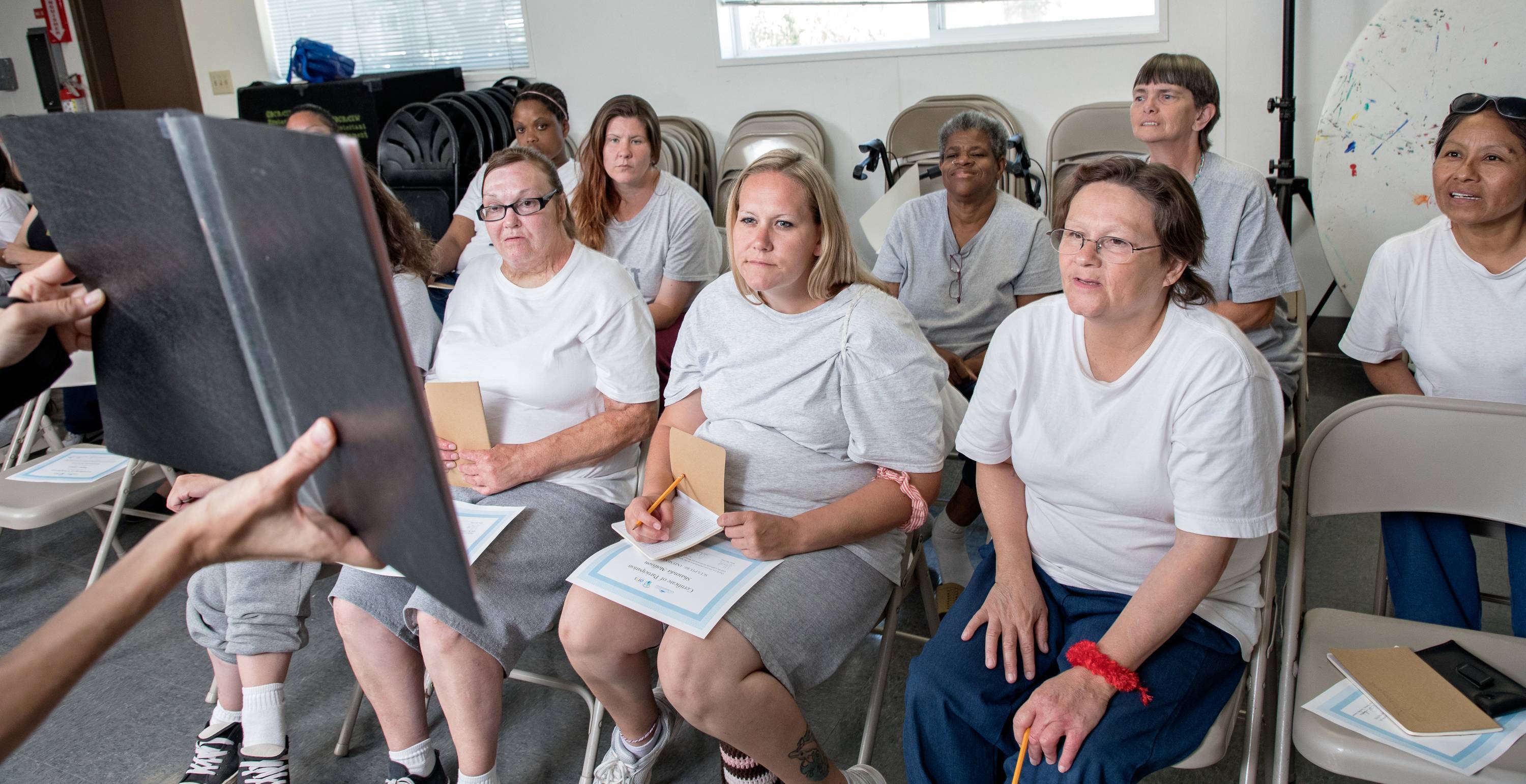
Higher education in prison programs operate across diverse correctional environments, and these differences are not just contextual; they directly shape access, engagement, and student success. Gender, security level, and housing designation influence everything from who can attend class, to how often instruction is disrupted to how safe students feel participating in academic dialogue. For example, a student in a higher security setting may experience frequent lockdowns that interrupt coursework, while a student in a mixed yard environment may navigate complex social dynamics that impact classroom participation. Without intentional awareness of these factors, programs risk unintentionally reproducing inequities in access and outcomes. Effective programming therefore, requires not only understanding these differences but actively designing structures, classroom practices, and supports that ensure equitable access, inclusion, and meaningful participation for all students.
Gender
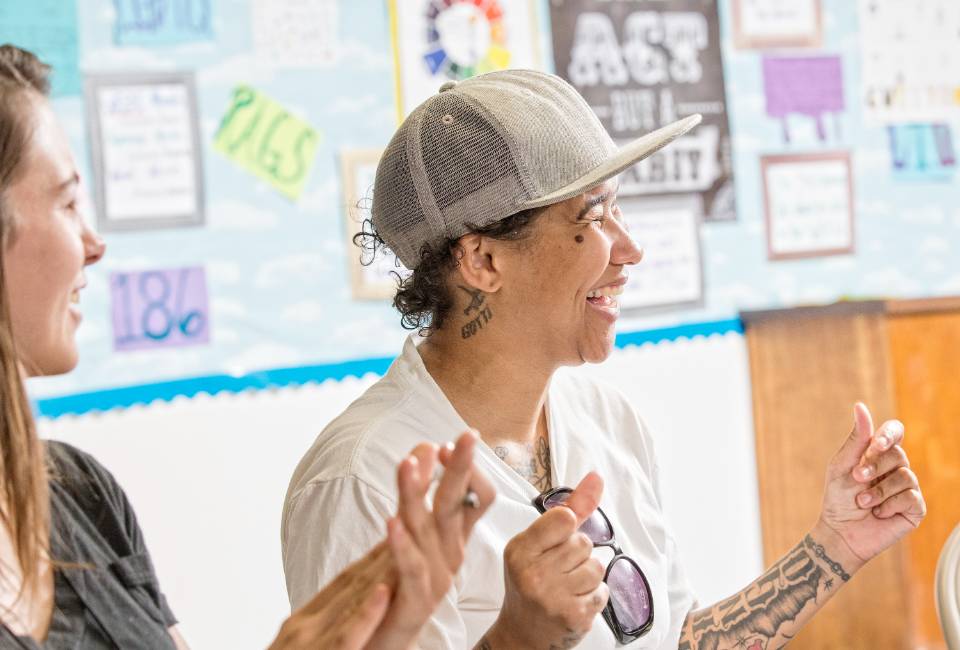
Gender shapes classroom dynamics, participation patterns, trauma histories, and educational experiences. Men's facilities, women's facilities, and institutions housing transgender or nonbinary individuals may each have distinct cultural norms and support needs. Key considerations include:
- Higher documented rates of trauma among incarcerated women
- Family separation and caregiving-related stress
- Gender socialization patterns that influence classroom engagement
- Safety and dignity for transgender and gender nonconforming students
- Access to gender-responsive and mental health services
Equitable support requires trauma-informed practice, inclusive language, and sustained attention to psychological safety. Faculty and holistic learning staff must create spaces that acknowledge lived experience while maintaining academic rigor and student dignity.